English
  Spanish
  Portuguese
  Arabic
  Russian
  简体中文
简体中文 

 Location:
 Comparison Armored vs Unarmored Fiber Optic Cables Explained
 Update Time:2025-12-25
 Traffic:
In building a robust and efficient network infrastructure, choosing the appropriate fiber optic cable is essential. Two main variants are commonly considered: armored and unarmored fiber optic cables. Each type has clear benefits and is designed for particular use cases and environments. Armored cables offer enhanced resistance to physical impact and environmental threats, making them well-suited for outdoor and industrial applications. Unarmored cables, on the other hand, are more flexible and simpler to install, which leads to their frequent preference for indoor deployments where physical risks are low.
This article examines the core distinctions between armored and unarmored fiber optic cables, guiding you toward an informed choice to secure the reliability and durability of your network.
Armored Fiber Optic Cables
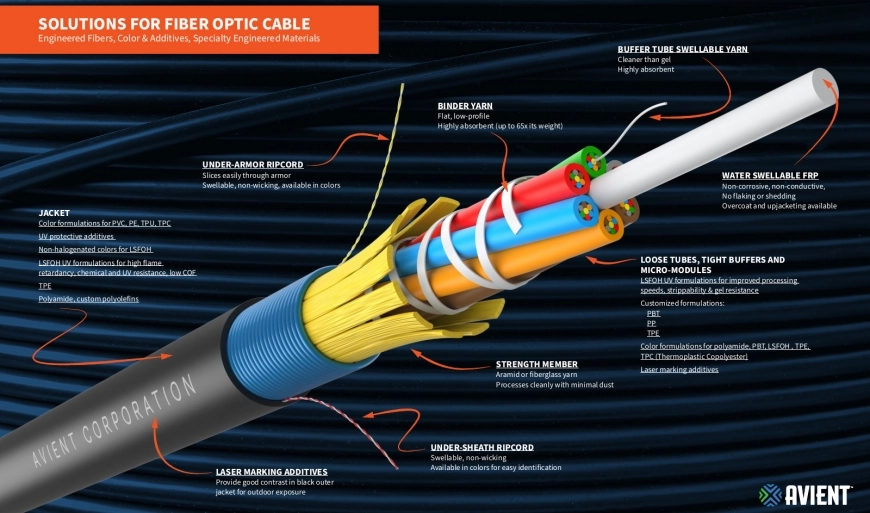
Armored fiber optic cables incorporate a protective outer layer, typically made of steel, aluminum, or other durable materials, to resist harsh environments and physical damage. This armor encases the inner core containing the optical fibers, adding a critical defense against crushing, rodent intrusion, and similar hazards.
Ideal applications for armored fiber optic cables encompass: outdoor installations, such as direct burial or use within conduits; industrial settings where heavy machinery poses a risk of physical impact; and locations with significant rodent activity.
Types of Armored Cabling
The primary armor types include interlocked, corrugated steel tape (CST), and aluminum. Interlocked armor, typically formed from helically wound aluminum or steel, delivers flexibility and mechanical protection, making it well-suited for installations in environments like commercial buildings or industrial plants where physical damage is a concern. Corrugated steel tape armor provides superior crush resistance and is frequently employed in direct burial or severe outdoor conditions. Aluminum armor, lighter than steel, strikes a balance between protective strength and installation ease, and is commonly used in aerial and conduit deployments.
Many fiber optic cables are reinforced with Kevlar jackets for enhanced strength and durability. Kevlar—a high-strength synthetic fiber is woven into the cable structure to significantly increase tensile strength, allowing it to better withstand pulling forces during installation. This is especially critical for long-distance runs or installations subject to high mechanical stress. Kevlar also helps guard against sharp bends and kinks, protecting the delicate optical fibers and maintaining signal integrity. Together, armored construction and Kevlar reinforcement ensure reliable and robust performance across demanding environments, from underground and underwater installations to high-traffic industrial settings.

Advantages
Enhanced Durability: Armored cables offer high resistance to physical damage such as crushing, cuts, and impact, making them ideal for demanding conditions.
Pest and Rodent Resistance: The metal armor acts as a deterrent against rodents and other pests, significantly lowering the risk of cable damage and network disruption.
Superior Environmental Resilience: These cables are well-adapted to outdoor and industrial applications, where exposure to moisture, chemicals, and other environmental hazards is common.
Disadvantages
Weight and Flexibility: The added protective layer increases the weight and reduces the flexibility of armored cables, which can complicate installation and necessitate more robust support structures.
Cost Considerations: Due to the extra materials and more complex manufacturing required, armored cables typically come at a higher cost compared to unarmored versions.