I. Product Overview
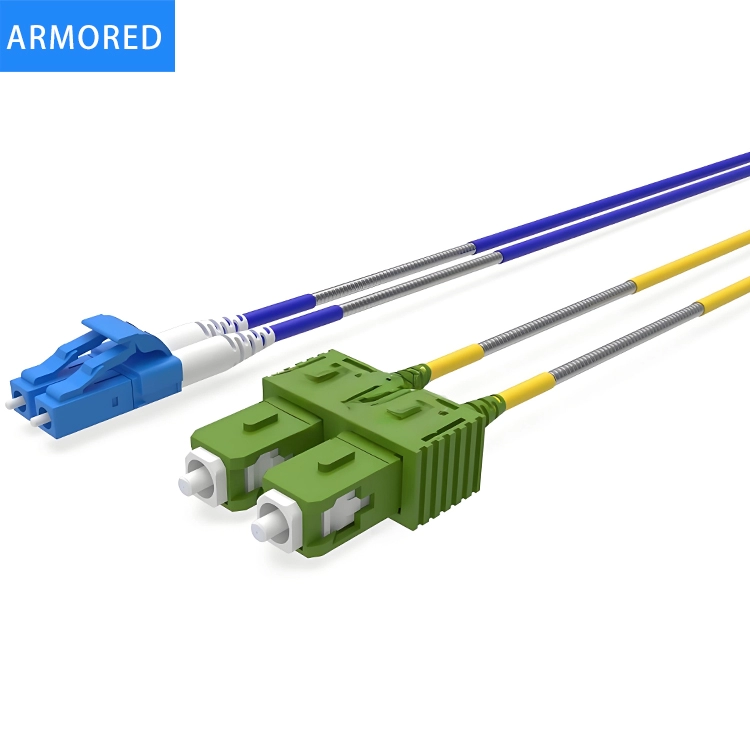
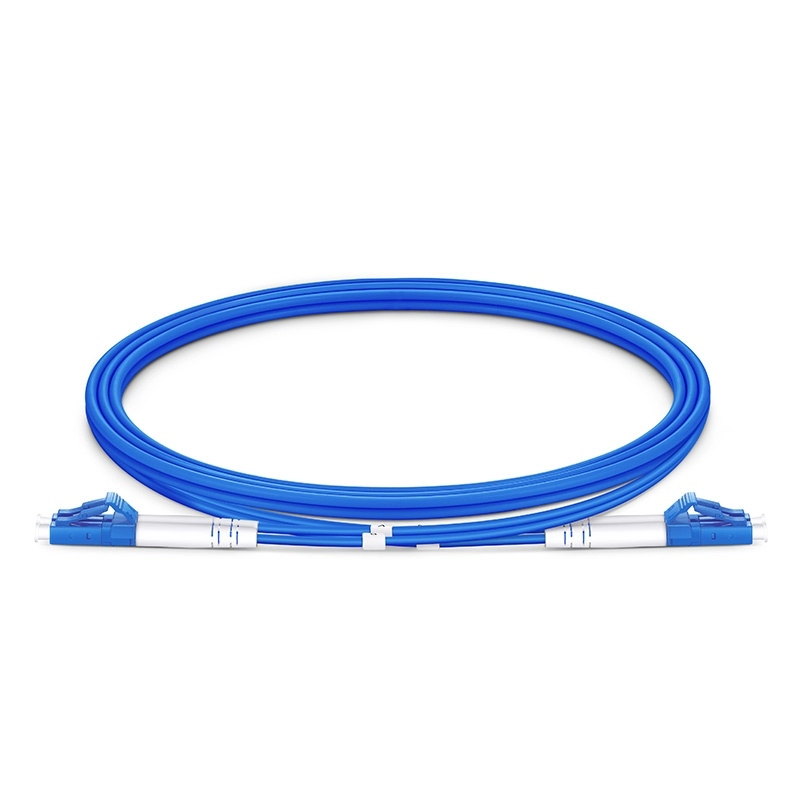
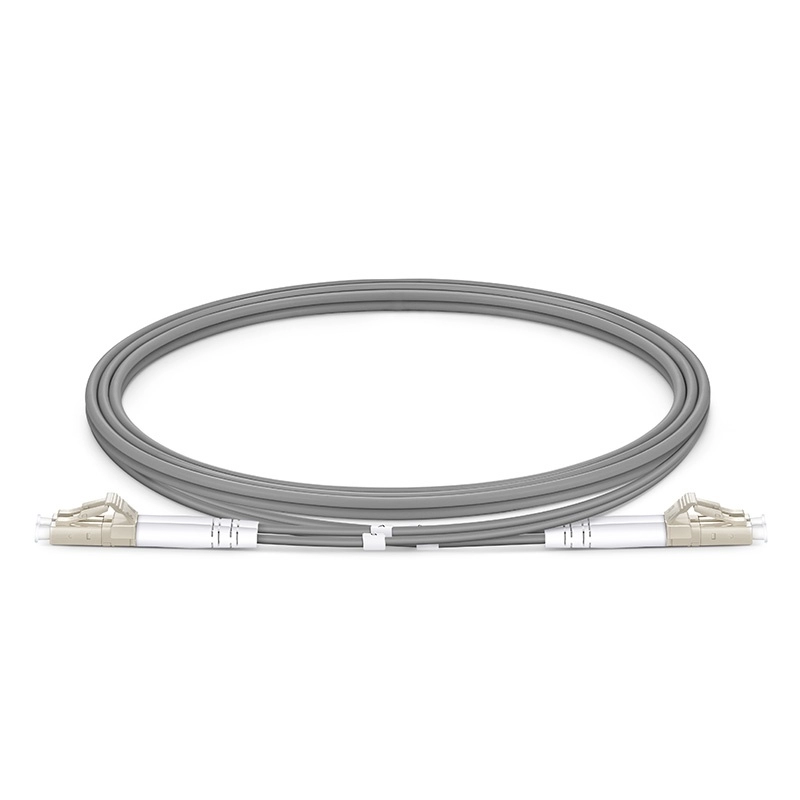
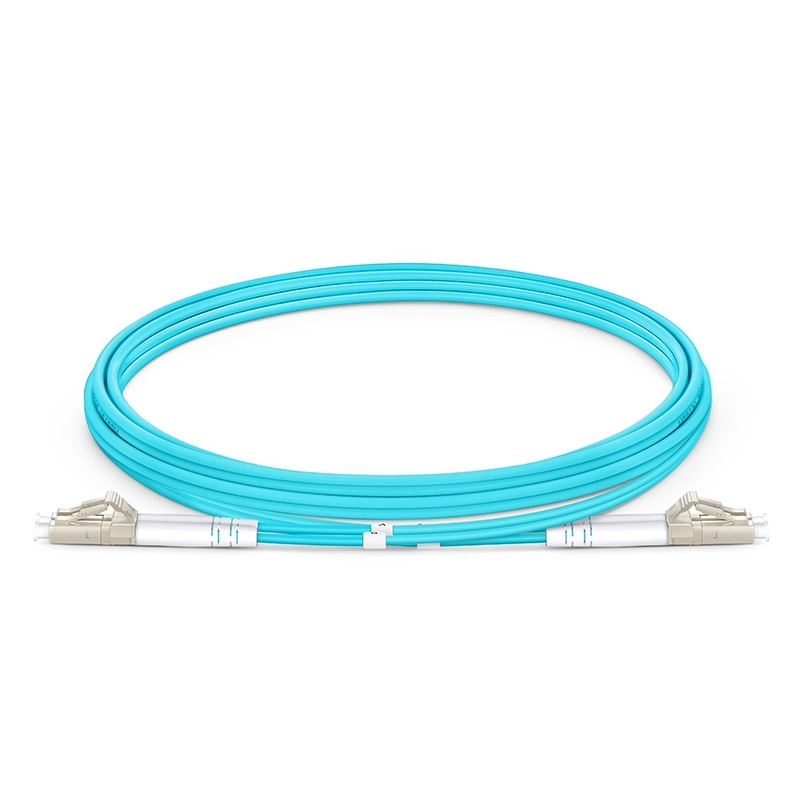
OM1/OM2 armored fiber optic patch cords are multimode fiber solutions designed for complex industrial environments or high electromagnetic interference scenarios. They add a metal armor layer (such as stainless steel or aluminum alloy) to traditional multimode fiber (OM1/OM2), providing additional mechanical protection, anti-interference capabilities, and flame-retardant properties. Suitable for short-distance, high-bandwidth transmission scenarios, such as data center rack connections, industrial automation control, security monitoring, and medical equipment, especially in environments requiring resistance to physical damage or electromagnetic interference (EMI).
II. Core Features
Fiber Type and Performance
OM1: 62.5/125µm core, supports 10Gb/s transmission up to 300 meters (850nm), 1Gb/s up to 1000 meters (850nm).
OM2: 50/125µm fiber core, supporting 10Gb/s transmission up to 550 meters (850nm), and 1Gb/s up to 1000 meters (850nm).
Effective Modal Bandwidth (EMB): OM1 is 200MHz/km, OM2 is 500MHz/km.
Armor Layer Structure:
Materials: Stainless steel or aluminum alloy braided layer/metal tube, providing tensile (>30N) and compressive (>800N/10cm) resistance.
Sheath: Low smoke halogen-free (LSZH) or flame-retardant polyvinyl chloride (PVC), meeting UL94 V-0 fire rating.
Optical Performance Parameters:
Insertion Loss: ±0.5dB (typical, including connector).
Return Loss: ±30dB (PC connector), supporting multimode laser optimization (e.g., OM3/OM4 require additional specification). Temperature Range: -20℃ to +70℃, adaptable to fluctuating industrial environments.
Bending Radius: Static ≥15mm, Dynamic ≥30mm (armor layer enhances bending resistance).
Connector Types:
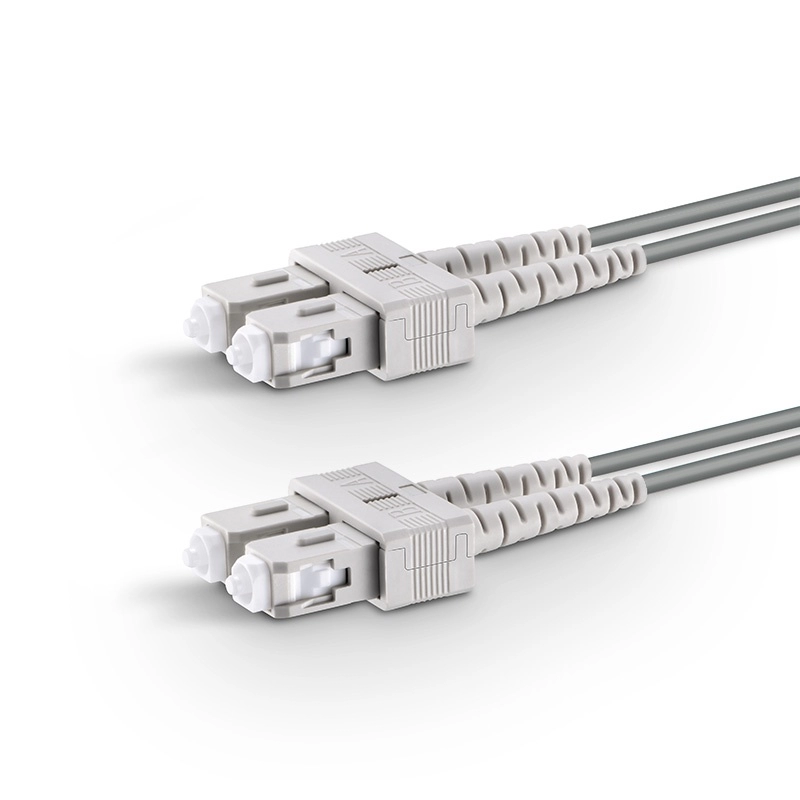
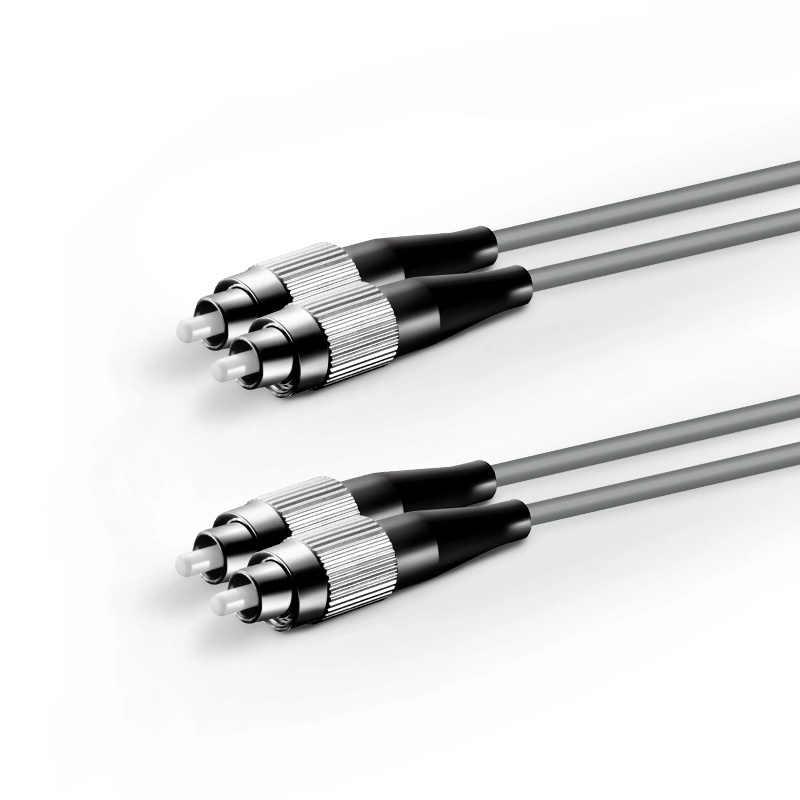
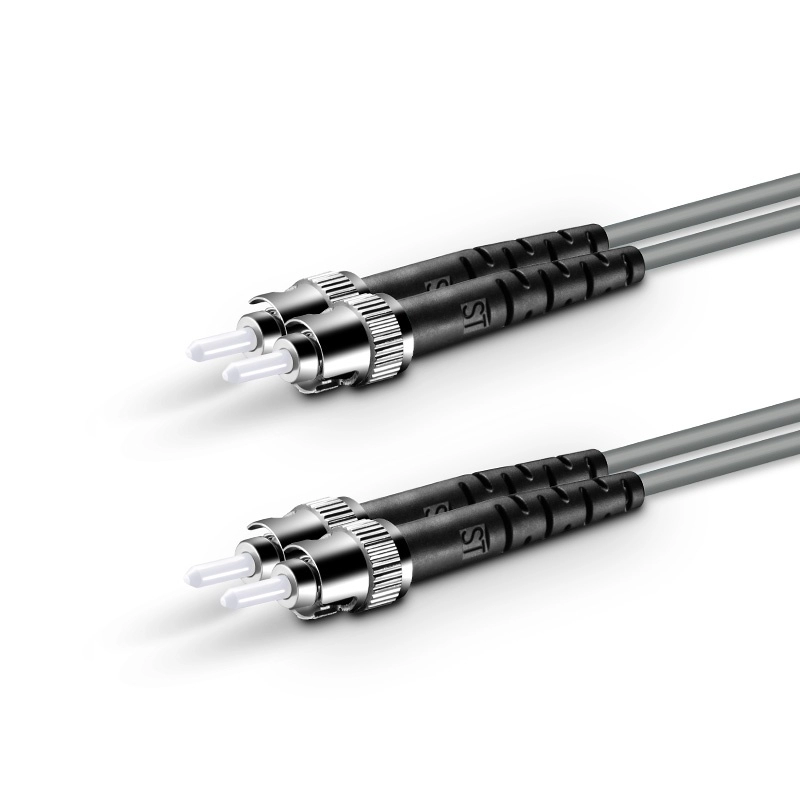
Interface: LC, SC, FC, ST, MTP/MPO (supports 12/24-pin high-density cabling).
Polishing Type: Primarily PC (physical contact), some support APC (8° bevel, reducing return loss).
Application Scenarios:
Industrial Automation: Networking of production line equipment, robot control signal transmission.
Data Centers: High-density cabling between racks, replacing easily interfered copper cables.
Security Monitoring: Connection between outdoor cameras and switches (requires waterproof connectors).
Medical Equipment: Data transmission for MRI/CT scanners (immune to electromagnetic interference).
Advantages Summary:
Physical Protection: Armor layer resists mechanical stress, rodent damage, and chemical corrosion.
Interference Resistance: Metal shielding layer isolates EMI/RFI, ensuring signal integrity.
Flexible Deployment: Supports pre-terminated or field-assembled wiring, adapting to complex cabling needs.
Long Lifespan: Durable design reduces maintenance frequency and adapts to frequent plugging and unplugging scenarios.
IV. Purchasing Considerations
Confirm Multimode Type: OM1 (62.5µm) is compatible with traditional equipment, OM2 (50µm) supports higher bandwidth.
Armor Layer Material: Stainless steel (corrosion resistant) or aluminum alloy (lightweight), choose according to the environment.
Certification Standards: Check for compliance with international standards such as ISO/IEC 11801 and TIA-568-C.3.
Connector Compatibility: Ensure the ferrule type (ceramic/metal) matches the equipment interface (e.g., MPO/MTP).
V. Typical Application Scenarios
Factory Networks: Interference-resistant connection between PLC control systems and sensors.
Medical Imaging: Networking of equipment in MRI rooms to avoid electromagnetic interference affecting signals.
Outdoor Security: Long-distance cabling between cameras and switches, protected against wind, rain, and animal bites.
By combining the high bandwidth of multimode fiber with the physical protection of the armor layer, this product becomes an ideal choice for short-distance transmission in industrial and complex environments, balancing performance and cost while improving system reliability.
 English
  Spanish
  Portuguese
  Arabic
  Russian
  简体中文
简体中文 
 Location: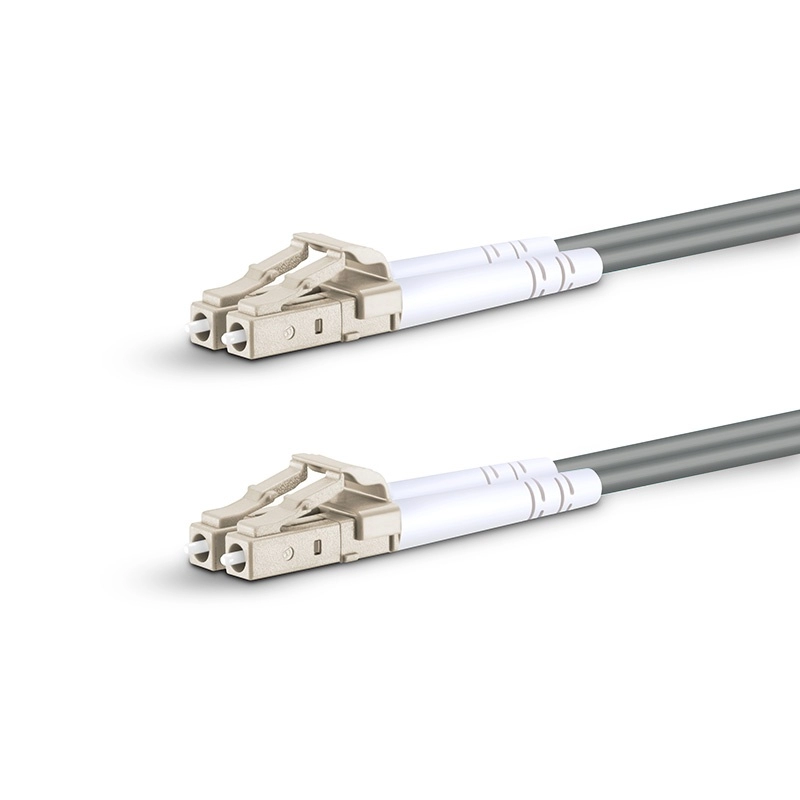
 Product Overview
 Prev:
Prev: Return to List