Outdoor Optical Cable
 Location: Home > Product > Fiber Optic Cable > Outdoor Optical Cable
This category covers a full range of outdoor optical cable solutions for aerial, duct, and direct burial deployments. Our designs focus on stable transmission and long-term reliability in outdoor conditions, with strong performance in tensile strength, crush resistance, water blocking, UV resistance, and optional armored protection for challenging routes.
We support mainstream fiber options including single-mode (G.652D / G.657) and multimode (OM2/OM3/OM4). Core count and construction can be matched to your project needs, and OEM/ODM customization is available for printing, reel length, jacket options, and branding.
Reliable outdoor performance for pole routes, ducts, trenches, and cross-building spans
Multiple structures for different installation methods and load requirements
Optional armor and water-blocking designs for moisture, rodents, and soil pressure
Factory quality control with routine testing and documentation support
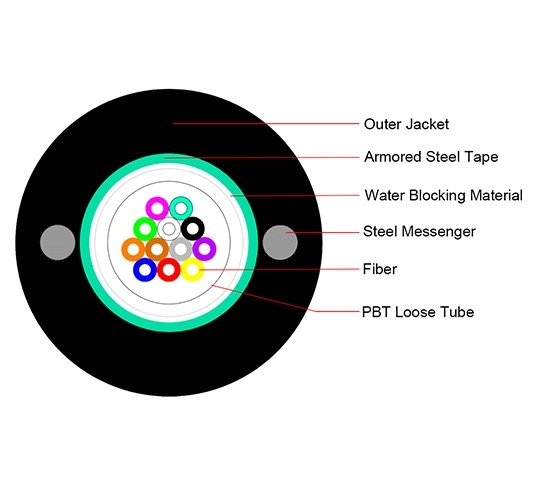
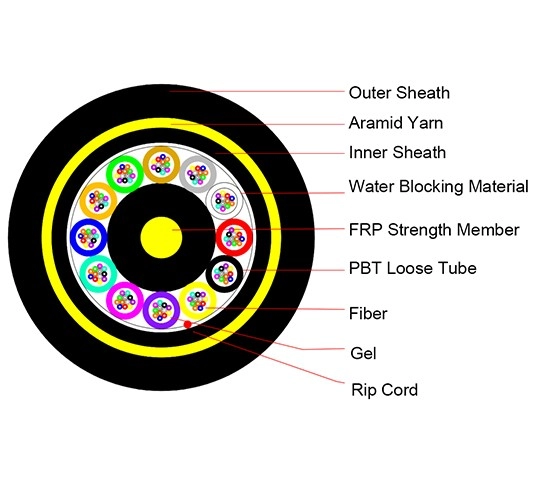
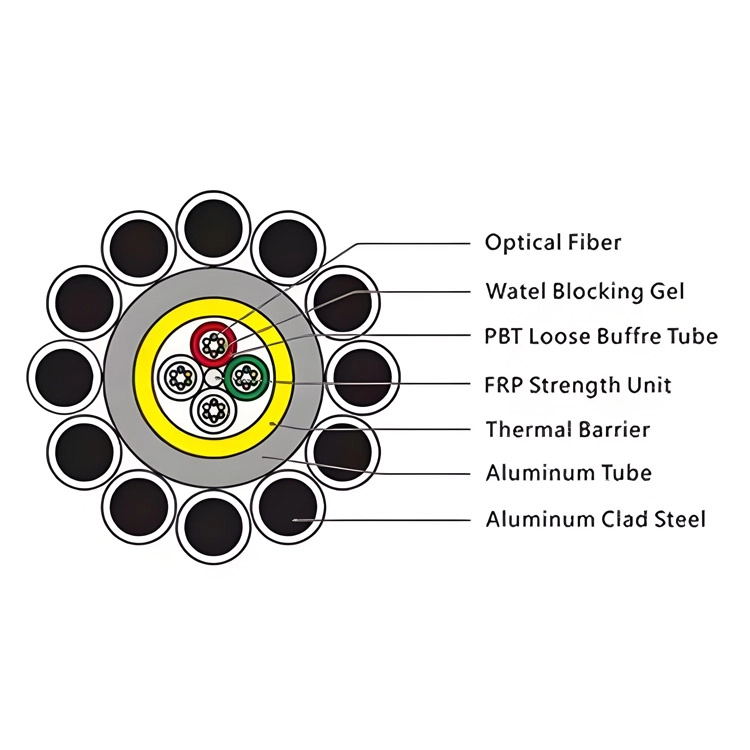
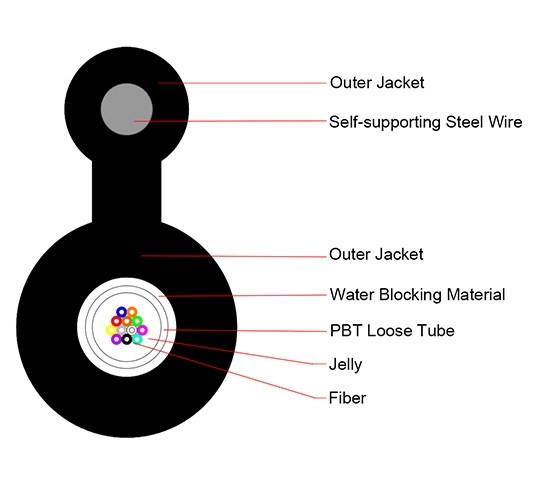
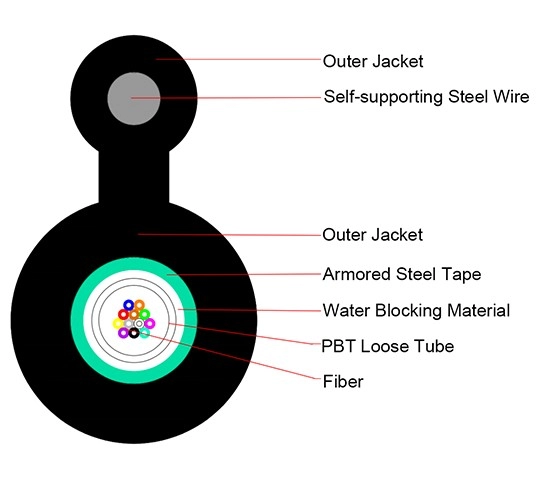
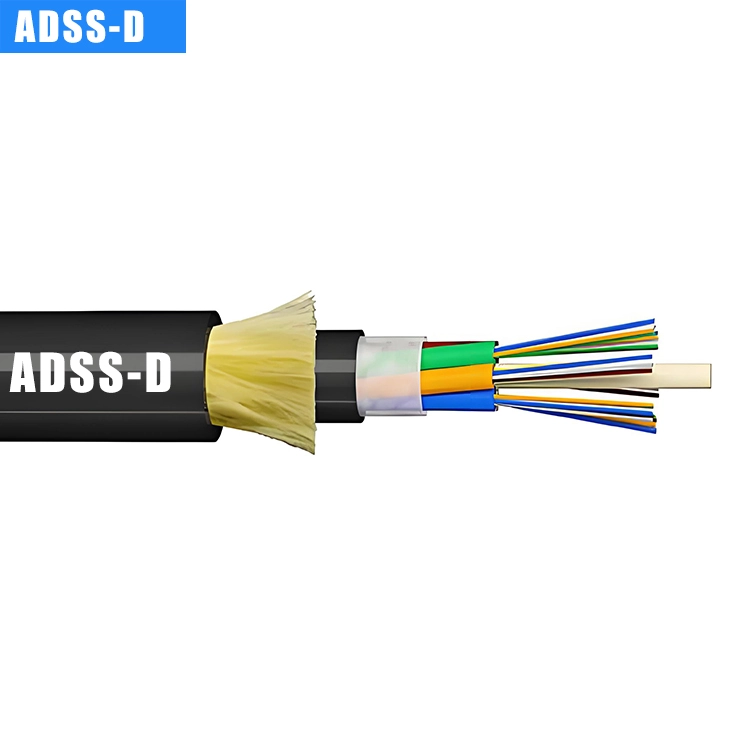
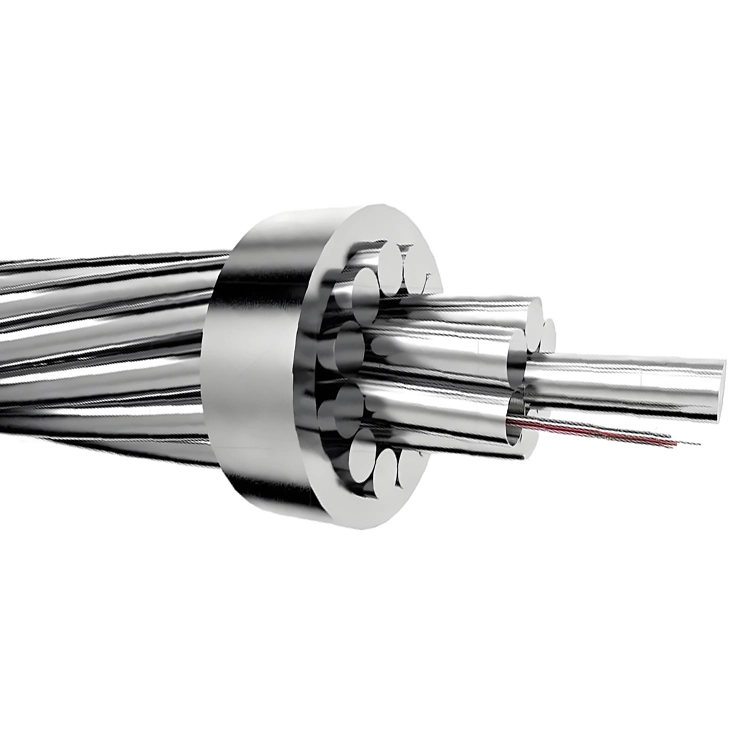
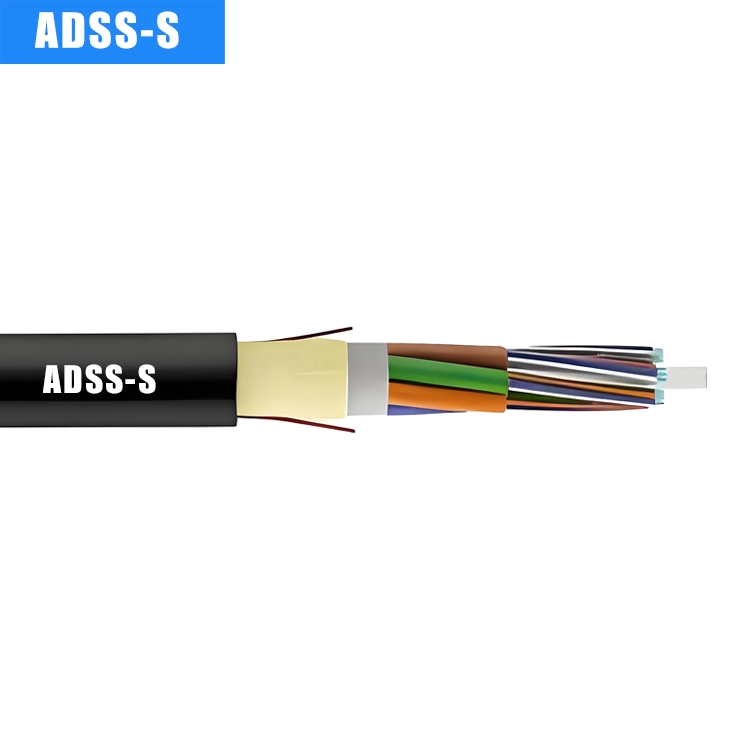
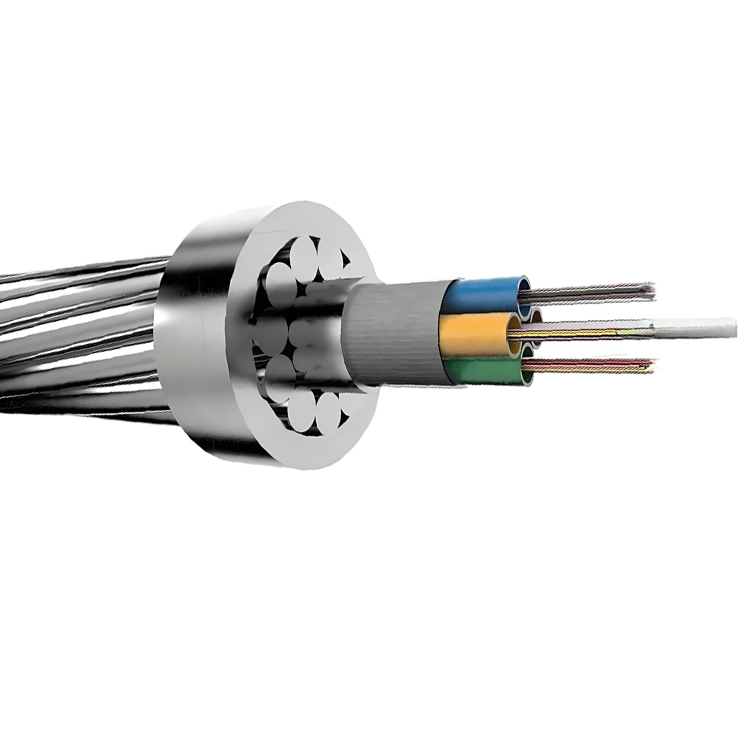
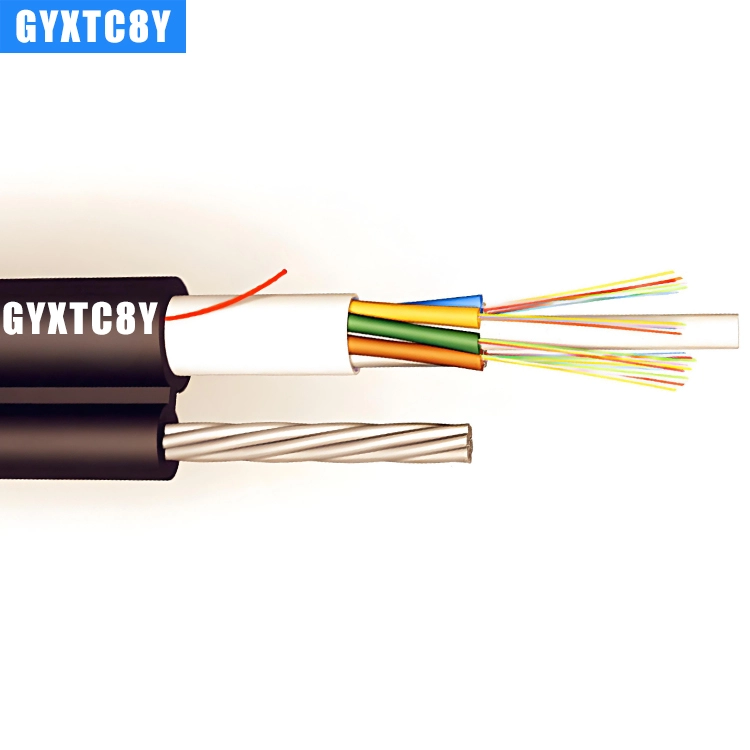
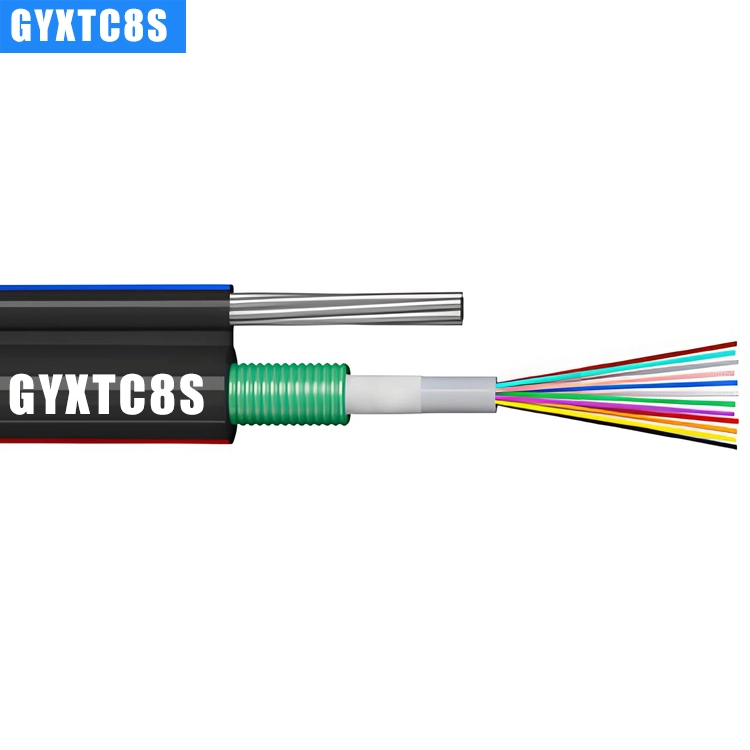
For aerial outdoor optical cable projects, these structures are commonly chosen to simplify installation and improve route safety and stability. ADSS cable is widely used on telecom poles and in power utility corridors because the all-dielectric design avoids electrical conduction risks. Figure-8 fiber optic cable integrates the messenger wire with the cable body, helping reduce fittings and speed up short-span construction.
Typical use: power line corridors, urban backbone lines, mountainous long spans, building-to-pole links, campus access routes.
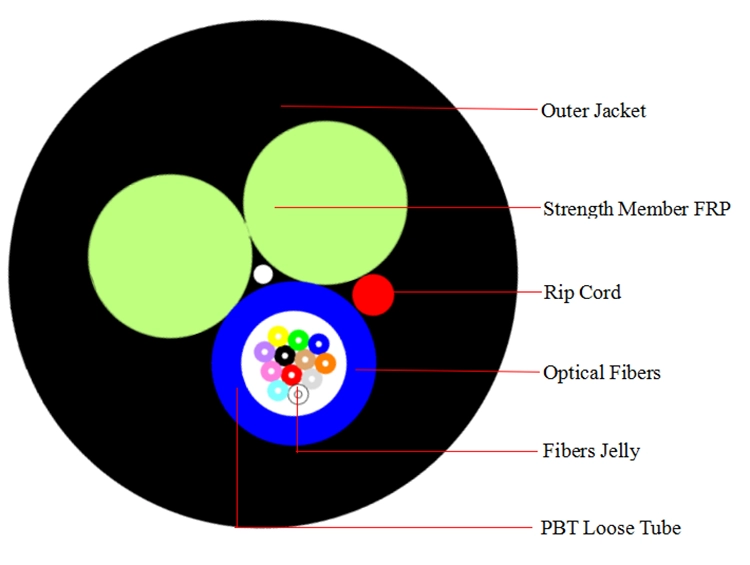
This group is a standard choice for duct outdoor fiber optic cable and general underground routing. Loose tube stranded designs support efficient splicing and fiber management, while water-blocking materials help maintain stable performance in humid or rainy environments. Depending on the route conditions, you can select versions optimized for duct pulling/blowing or for direct burial.
Typical use: municipal duct networks, campus backbone, underground access routes, general trench deployment.
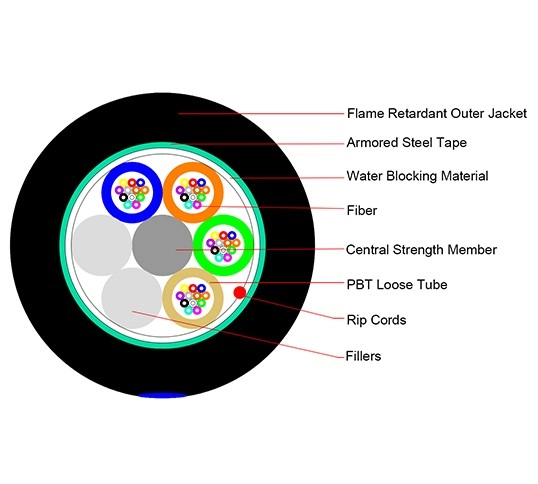
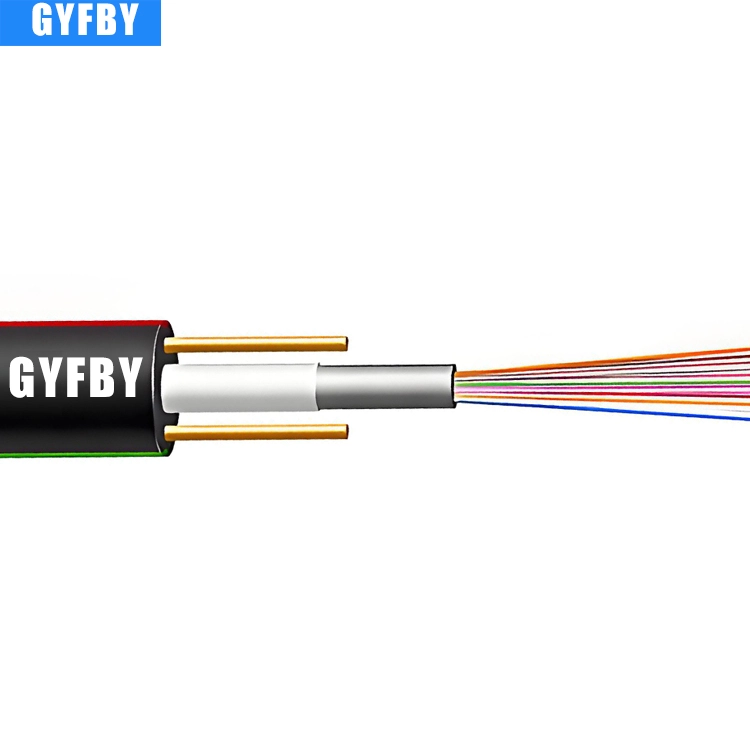
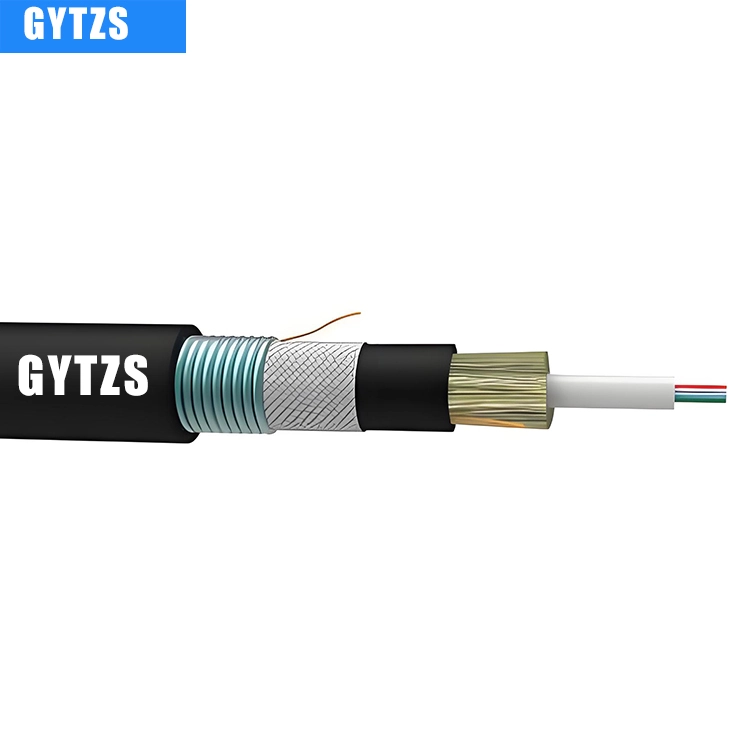
When the route involves heavier mechanical stress, stronger external impact risk, or long-term soil pressure, armored outdoor optical cable structures are recommended. Heavy armored options help protect against crushing, moisture ingress, and rodent damage. This type is often selected for projects where durability and service life are the top priorities.
Typical use: highway/railway sides, farmland and open field burial, industrial zones, complex soil environments.
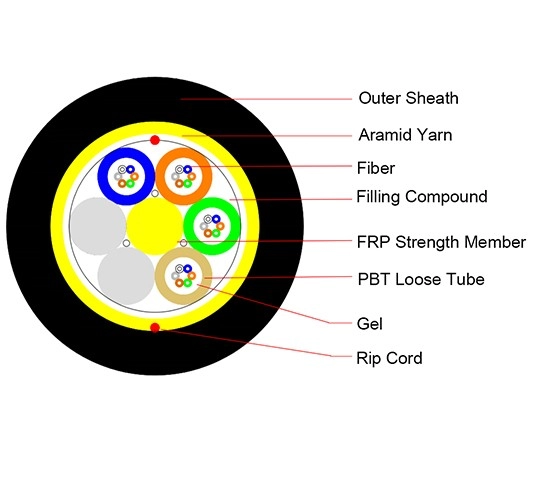
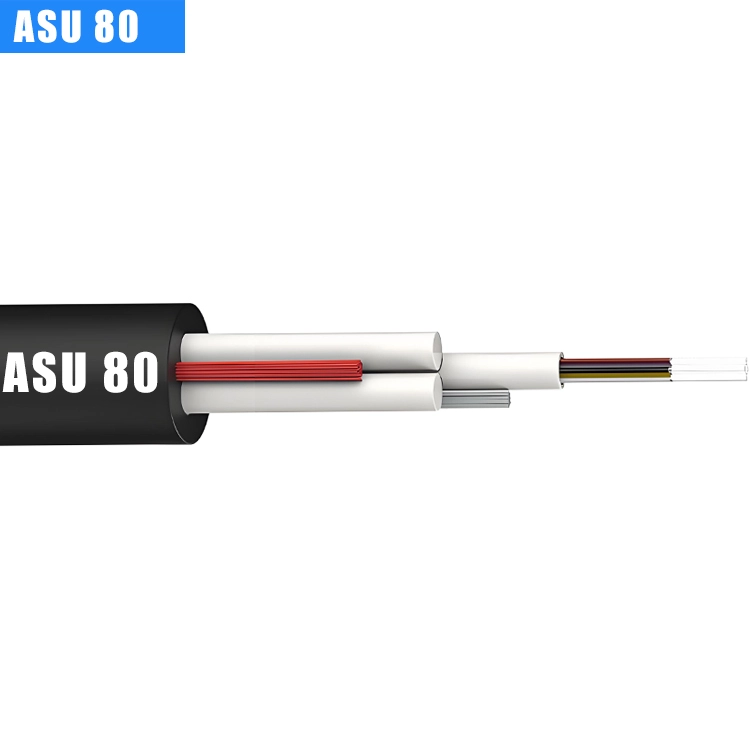
Central tube constructions are valued for compact structure and practical outdoor deployment. With water-blocking features and reinforcement options, this group is suitable for routes that need dependable signal transmission and flexible installation methods, including aerial and underground.
Typical use: outdoor communication networks, industrial and power systems, harsh-environment installations.
Aerial & long-span routes: prioritize ADSS; for short spans and fast installation, use Figure-8.
Duct networks: choose GYTA/GYTS-type loose tube structures for easy pulling and splicing.
Direct burial (standard): choose GYTA/GYTS variants matched to the site environment.
Direct burial (heavy load / high risk): choose GYTA33 Heavy Armored or other heavy armored options.
Send these details to get the correct outdoor optical cable recommendation and pricing:
Type (ADSS/GYTA/GYTS/GYTA33/Figure-8 etc.) + Model + Core count + Fiber type (G.652D/G.657/OM2/OM3/OM4) + Installation (aerial/duct/direct burial) + Jacket requirement (PE/LSZH, RoHS if needed) + Reel length.
Outdoor optical cable
Category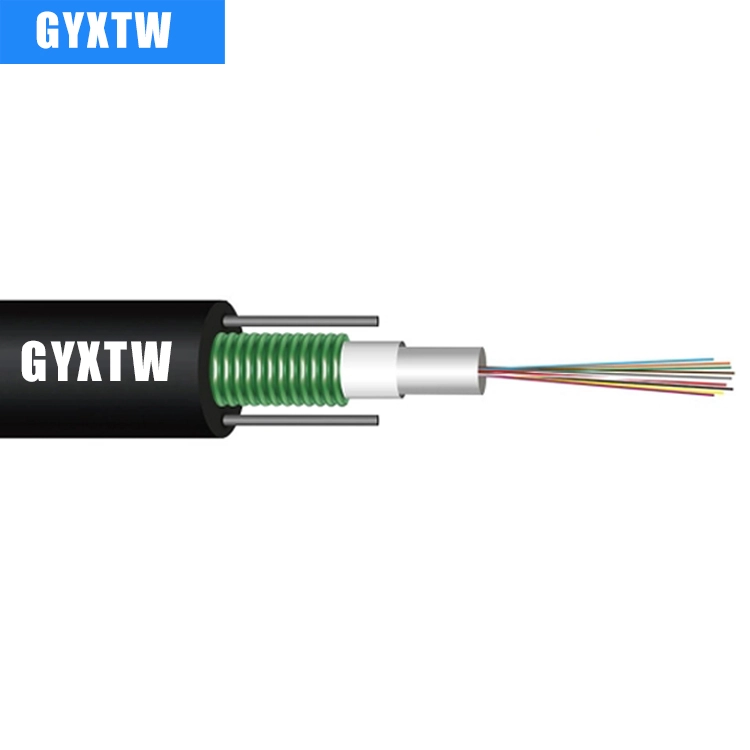

 English
  Spanish
  Portuguese
  Arabic
  Russian
  简体中文
简体中文